Vaccination
Rabies Vaccine in Manchester
Rabies can follow a bite or scratch abroad. Book rabies vaccine appointments at Trafford Clinic in Manchester before higher-risk trips to Asia, Africa or beyond.
Plan the rabies vaccine before animal contact becomes urgent
A dog bite in India, a monkey scratch in Thailand or a cat bite in Morocco can turn a holiday problem into a medical emergency. The rabies vaccine is mainly a pre-travel decision, made before access to treatment becomes uncertain. At Trafford Clinic in Manchester, we assess your route, length of stay and likely animal contact, then talk through whether rabies vaccination belongs on your plan. This page covers who usually needs it, how the course works and what the vaccine cannot do.
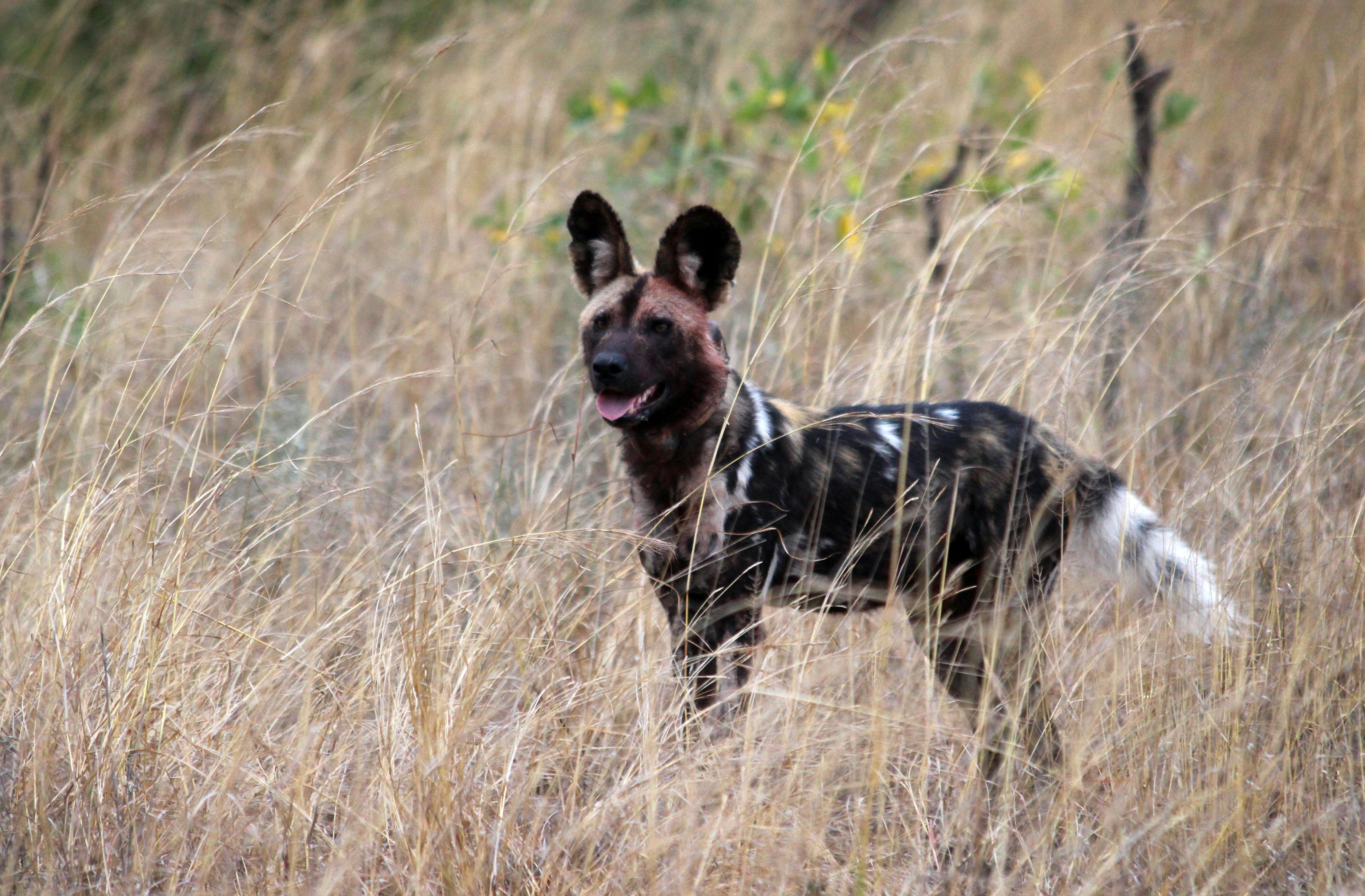
A virus carried in saliva, usually after a bite
Rabies is a viral infection that affects the brain and nervous system. People usually catch it when saliva from an infected animal enters the body through a bite or scratch. Saliva getting into the eyes, nose or mouth, or onto broken skin, can also count as an exposure. Dogs cause most human rabies cases worldwide. Travellers can also be exposed through monkeys, cats, bats and other mammals. The animal does not have to look dramatic or obviously ill. A small scratch from a temple monkey, a nip from a stray puppy or a bat found in a room where someone was sleeping may all need urgent medical assessment. Once symptoms start, rabies is almost always fatal. Before symptoms, prompt wound washing and post-exposure treatment can prevent illness, but the right treatment may be hard to obtain quickly in rural areas or smaller towns.
What the rabies vaccine does, and what it does not do
The rabies vaccine used before travel primes your immune system so it can respond faster if you are bitten or scratched later. For most travellers, the standard pre-exposure course is three injections, commonly given on days 0, 7 and 21 or 28. If time is short, an accelerated schedule may be possible after clinical assessment. The vaccine is usually injected into a muscle, often the upper arm. Rabies vaccination can be considered for adults and children where the travel risk justifies it. It is particularly relevant for longer trips, rural stays, cycling or running in areas with stray dogs, work with animals, backpacking, and trips where reliable post-bite treatment may be difficult to reach. The vaccine does not mean you can ignore a bite. You still need immediate wound washing and urgent medical advice after any possible exposure. Pre-travel vaccination usually reduces the amount of post-exposure treatment needed and may remove the need for rabies immunoglobulin in many situations, but it does not replace post-bite care. Common side effects include a sore arm, redness, itching, headache or mild fever; serious allergic reactions are rare but must be discussed if you have reacted to a previous dose or vaccine component.
Trips where rabies risk deserves a proper look
Rabies occurs across much of Asia and Africa, with many human cases linked to dog bites. India has a particularly high burden, and risk is also relevant for parts of Nepal, Pakistan, Bangladesh, Thailand, Vietnam, Indonesia including Bali, the Philippines, Morocco, Kenya, Tanzania and Ghana. Parts of Latin America also carry risk, including areas where bats or dogs are involved. The vaccine is not needed for every city break or every resort stay. A two-week hotel-based trip with little animal contact is different from a six-week backpacking route, a rural family visit or volunteering at an animal shelter. Bat exposures need caution even in countries where dog rabies is controlled, including parts of Europe and North America.
Book early enough to finish the course
Rabies vaccination takes more than a single quick visit for most travellers, so leave enough time before departure if you can. Trafford Clinic is convenient for patients in Old Trafford and Chorlton who want local travel vaccine advice without making it a whole expedition. Book a rabies vaccine appointment online once your dates and itinerary are reasonably firm, and bring any previous vaccine records with you.
Frequently asked
Common questions about this destination.
How soon before travel should I start the rabies vaccine course?
Start as early as you can, ideally at least three to four weeks before you leave. The usual pre-travel course involves three doses over 21 to 28 days, although an accelerated schedule may be considered when departure is closer. If you are travelling soon, book anyway so a clinician can look at the safest practical option.
Do children need the rabies vaccine for travel?
Children can be considered for rabies vaccination when their trip puts them at higher risk. They may be more likely to touch animals and less able to describe a small bite or scratch clearly. The decision should take account of destination, accommodation, activities and how easily medical care could be reached.
I had rabies vaccines years ago. Do I need another dose?
Wash the wound immediately under running water with soap for several minutes, then seek medical advice locally without delay. Do not wait until you return to the UK. Even fully vaccinated travellers usually need further rabies vaccine doses after a possible exposure.
If I am vaccinated, what should I do after an animal bite abroad?
Wash the wound immediately under running water with soap for several minutes, then seek medical advice locally without delay. Do not wait until you return to the UK. Even fully vaccinated travellers usually need further rabies vaccine doses after a possible exposure.
Do I need rabies vaccine for Thailand, India or Morocco?
It may be recommended, especially if you will spend time outside major cities, stay for several weeks, visit family in rural areas, cycle, run, trek or have likely contact with animals. India has a high rabies burden, and traveller cases have also been linked to countries such as Morocco and Thailand. A travel consultation can match the advice to your actual route rather than the country name alone.