Destination
Saudi Arabia Travel Vaccinations and Health Advice
Saudi Arabia needs specific checks for Hajj or Umrah, dengue around western cities and low malaria risk near Yemen. Book locally in Manchester.
Pilgrimage rules change the health planning
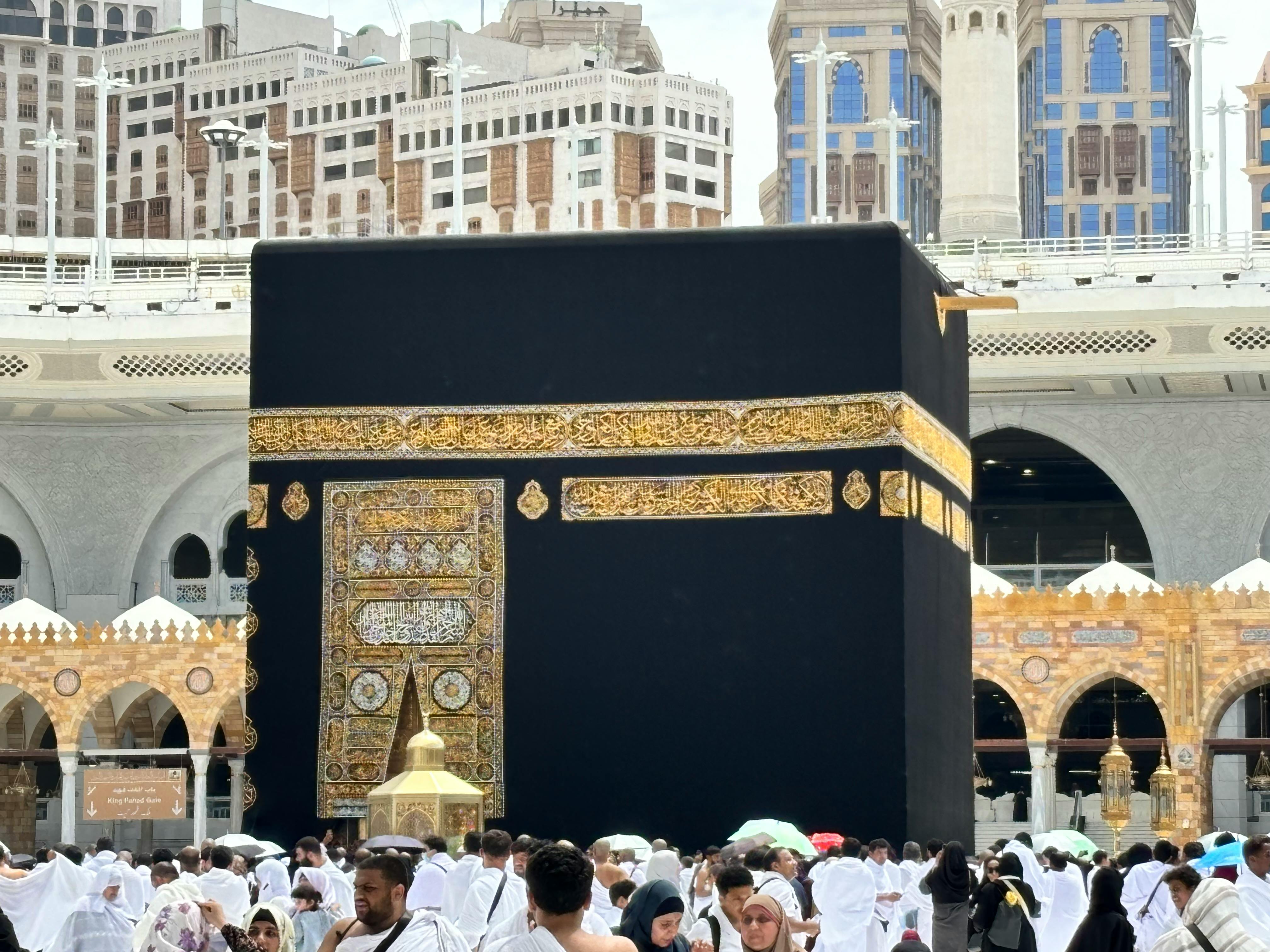
People travel to Saudi Arabia for several quite different reasons: pilgrimage to Makkah and Madinah, work in Riyadh or the Eastern Province, family visits, study, conferences, or longer regional travel. Those trips do not carry the same health profile. A short hotel-based visit to Riyadh is usually a different discussion from Umrah during a crowded period, a long stay with relatives, or work that involves rural areas, animals, construction sites or healthcare settings. Food choices, accommodation, heat exposure and how quickly you could reach medical care all matter. So does timing. Pilgrimage travel can involve close contact with large numbers of people from many countries, which is why respiratory infections and meningococcal disease get more attention here than they would for many other Gulf trips.
Work trips, family visits and pilgrimage bring different exposures
People travel to Saudi Arabia for several quite different reasons: pilgrimage to Makkah and Madinah, work in Riyadh or the Eastern Province, family visits, study, conferences, or longer regional travel. Those trips do not carry the same health profile. A short hotel-based visit to Riyadh is usually a different discussion from Umrah during a crowded period, a long stay with relatives, or work that involves rural areas, animals, construction sites or healthcare settings. Food choices, accommodation, heat exposure and how quickly you could reach medical care all matter. So does timing. Pilgrimage travel can involve close contact with large numbers of people from many countries, which is why respiratory infections and meningococcal disease get more attention here than they would for many other Gulf trips.
ACWY paperwork, dengue in the west, and a narrow malaria map
The Saudi Arabia point most people should not miss is the meningococcal ACWY certificate requirement for Hajj and Umrah pilgrims and seasonal workers. The vaccine record needs to be accurate and carried for inspection. Where a conjugate ACWY vaccine is used, it should usually be given at least 10 days before travel and within the last five years. Routine UK vaccinations should be up to date, including MMR and diphtheria-tetanus-polio. Tetanus is recommended for most travellers, particularly where cuts, burns or puncture wounds could happen and medical care may not be close by. Hepatitis A and typhoid may be considered if food and water hygiene is likely to be uncertain, especially for longer stays, frequent travel, visits to family, or more basic accommodation. Hepatitis B is worth discussing for longer stays, medical work, contact sports, possible medical or dental treatment abroad, or sexual exposure. Dengue risk is reported in Al Madinah, Jizan and Makkah provinces, including Mecca and Jeddah. The mosquitoes that spread dengue often bite in the daytime, so repellent and covered skin matter even when malaria tablets are not needed. Malaria risk is low and limited mainly to south-western provinces along the Yemen border, including Asir below 2,000 metres. There is no malaria risk listed for Jeddah, Makkah, Medina, Riyadh, Ta’if, or Asir above 2,000 metres. Rabies is also a consideration after animal bites or scratches, and MERS-CoV risk is linked particularly with camels and camel products. Avoid raw camel milk, undercooked camel meat and unnecessary close camel contact.
Book early if you need certificates
Aim for a travel health appointment 4 to 6 weeks before departure. That gives enough time to review your UK vaccine record, plan any travel vaccines, and avoid a last-minute problem with Hajj or Umrah documentation. If you are leaving sooner, still come in; some protection and practical advice may still be possible. Bring your itinerary, dates, previous vaccine records and any medical history that affects travel, including pregnancy, immune suppression, long-term conditions or medicines. For Saudi Arabia, the consultation usually covers ACWY requirements, tetanus status, hepatitis A and B, typhoid, rabies risk, dengue bite avoidance, heat planning, food and water precautions, and whether your route goes anywhere near the low-risk malaria areas in the south west.
A local check before you fly
If Saudi Arabia is on your calendar, a short travel consultation can prevent certificate problems and sharpen the advice around your actual route. Trafford Clinic books travel vaccine appointments for people across the local area, including Chorlton and Salford, with early and evening opening on selected days. Call 0161 258 6149 to arrange an appointment before you travel.
Frequently asked
Do I need a meningitis vaccine for Saudi Arabia?
If you are travelling for Hajj or Umrah, or as a seasonal worker linked to pilgrimage, proof of meningococcal ACWY vaccination is a visa requirement. The certificate details matter, so bring any previous vaccine records to your appointment. Other travellers may still discuss ACWY depending on their plans and exposure.
How early should I book Saudi Arabia travel vaccinations?
Book 4 to 6 weeks before travel if you can, especially for Hajj or Umrah because certificate timing matters. If your trip is sooner, an appointment is still worthwhile. A pharmacist can check what can be given safely and what paperwork you need to carry.
Is malaria a risk in Saudi Arabia?
For most common routes, including Jeddah, Makkah, Medina, Riyadh and Ta’if, malaria tablets are not usually advised because malaria is not listed as a risk there. Low risk is reported in south-western areas along the Yemen border, including parts of Asir below 2,000 metres. Your exact route decides whether malaria advice needs more attention.
Which vaccines are commonly considered for Saudi Arabia?
Routine UK vaccinations should be up to date, and tetanus is commonly reviewed. Depending on your itinerary and risk factors, hepatitis A, typhoid, hepatitis B, rabies and meningococcal ACWY may be discussed. Hajj and Umrah have their own requirements, so do not assume a general Gulf travel checklist is enough.
Should I worry about dengue or MERS-CoV in Saudi Arabia?
Dengue risk is reported in parts of western Saudi Arabia, including Makkah province and Jeddah, so daytime mosquito bite avoidance is sensible. MERS-CoV has been reported in Saudi Arabia and is particularly linked with camels and camel products. Avoid raw camel milk, undercooked camel meat and close contact with camels, especially if you have underlying health problems.