Destination
Bangladesh travel vaccinations and health advice
Dengue, food and water risks, and Chittagong Hill Tracts malaria need different planning for Bangladesh. Book travel health advice in Manchester.
Dengue in Dhaka, malaria in the hills
Many UK travellers go to Bangladesh to visit family, attend weddings, work with organisations, study, or spend time in Dhaka before travelling elsewhere in the country. Some trips are short and city-based. Others involve longer stays, rural districts, monsoon-season travel, or visits to relatives where you may eat in homes and move around more locally than a hotel-based visitor. That distinction matters. Food and water exposure can be higher when you are staying with family or travelling outside the main business areas. Mosquito exposure can be significant in towns as well as rural settings. Rural northwest travel, rice-growing areas, and the Chittagong Hill Tracts raise separate questions around Japanese encephalitis and malaria. Bring your rough route if you have one.
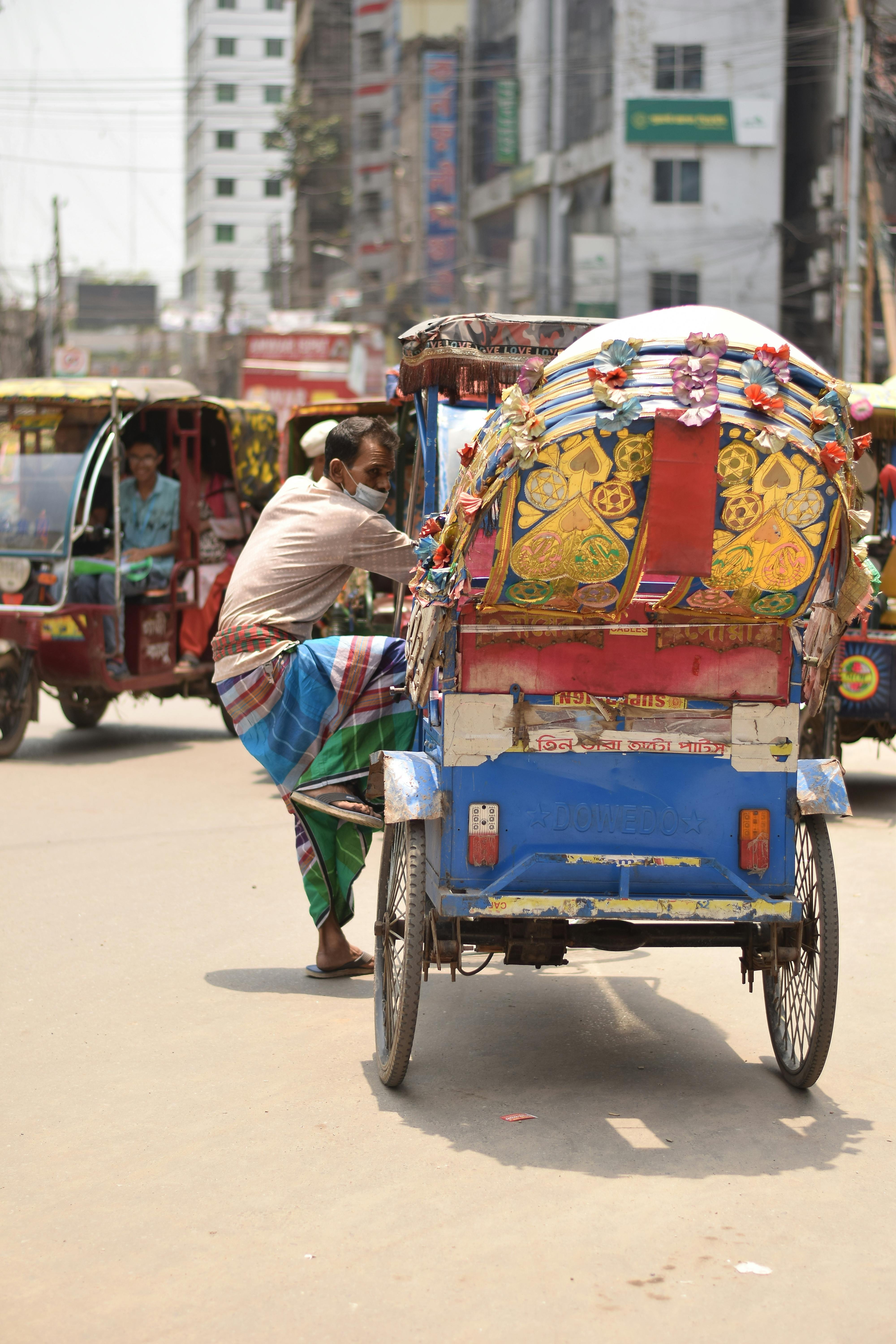
What your Bangladesh itinerary usually tells us
Many UK travellers go to Bangladesh to visit family, attend weddings, work with organisations, study, or spend time in Dhaka before travelling elsewhere in the country. Some trips are short and city-based. Others involve longer stays, rural districts, monsoon-season travel, or visits to relatives where you may eat in homes and move around more locally than a hotel-based visitor. That distinction matters. Food and water exposure can be higher when you are staying with family or travelling outside the main business areas. Mosquito exposure can be significant in towns as well as rural settings. Rural northwest travel, rice-growing areas, and the Chittagong Hill Tracts raise separate questions around Japanese encephalitis and malaria. Bring your rough route if you have one.
Mosquitoes are not only a rural issue here
Dengue is an important part of Bangladesh travel health, including in urban areas such as Dhaka. The mosquitoes that spread dengue usually bite in the daytime, so bed nets alone are not enough. Repellent, long sleeves when practical, and staying somewhere with screens or air conditioning can make a real difference. Chikungunya and Zika are also mosquito-borne risks; Zika needs particular discussion if you are pregnant or planning pregnancy. Hepatitis A is commonly recommended for previously unvaccinated travellers because it spreads through contaminated food and water. Typhoid vaccination is also usually relevant for Bangladesh, especially for longer stays, children, frequent travellers, or visits where food hygiene may be variable. Tetanus should be up to date, and the consultation is a useful moment to check routine UK vaccines such as MMR and diphtheria-tetanus-polio. Malaria risk is not the same across Bangladesh. The Chittagong Hill Tract districts are treated as higher risk, and malaria tablets are usually advised for travel there. The rest of Bangladesh, including Dhaka and Chittagong city, is classed as very low risk, where bite avoidance and knowing malaria symptoms matter more than routine tablets. Rabies is present. Pre-travel rabies vaccination is worth discussing for children, cyclists, runners, long stays, animal work, or travel where urgent treatment may be hard to reach. Japanese encephalitis may also come up for longer rural stays, particularly around rice fields or pig farming areas, with risk highest around and after the monsoon months from June to November.
Plan the appointment around your route, not just your flight date
Book your travel health appointment four to six weeks before departure if you can. That gives time to review your vaccine history and complete any courses that need spacing. If you are travelling sooner, still come in; last-minute advice can still change what you do about food, water, bites, malaria and animal exposure. For Bangladesh, bring dates, districts if known, whether you are staying with family, and whether children, pregnancy, medical conditions or regular medicines are involved. We will check routine jabs, discuss hepatitis A, typhoid and other destination-relevant vaccines, and decide whether malaria tablets are needed for any part of your itinerary. Pack repellent for daytime and evening use. Be cautious with untreated water, ice, salads, and food that has been sitting warm.
Local advice before you fly
If Bangladesh is on your calendar, a short travel consultation can make the preparation clearer. Trafford Clinic is a pharmacist-led travel clinic, convenient if you are coming from Old Trafford or Chorlton, with appointments across the week. Call 0161 258 6149 to book and bring any vaccine records you already have.
Frequently asked
Do I need vaccinations before travelling to Bangladesh from the UK?
Most travellers should check hepatitis A, typhoid and tetanus cover before going to Bangladesh. Depending on your plans, hepatitis B, rabies, Japanese encephalitis, cholera or other vaccines may also be discussed. Your previous vaccine history matters, so bring any records you have.
Do I need malaria tablets for Bangladesh?
Malaria tablets are usually advised for travel to the Chittagong Hill Tract districts. For the rest of Bangladesh, including Dhaka and Chittagong city, the risk is classed as very low, so bite avoidance and recognising symptoms are usually the focus. If your route is uncertain, get advice before you travel rather than deciding at the airport.
How soon before my Bangladesh trip should I book a travel clinic appointment?
Four to six weeks before travel is ideal because some vaccines need time or more than one dose. If you are leaving sooner, an appointment is still worthwhile. You may still be able to start important vaccines, check malaria advice and get practical risk-reduction guidance.
Is dengue a real concern in Dhaka and other cities?
Yes. Dengue can be an urban issue in Bangladesh, and the mosquitoes that spread it often bite during the day. Use repellent, cover skin when practical, and choose accommodation with screens or air conditioning where possible. Seek medical advice if you develop fever, severe aches or a rash during or after travel.
What should pregnant travellers or people planning pregnancy know about Bangladesh?
Bangladesh has a recognised Zika risk, so pregnancy and conception plans should be discussed before travel. Pregnant travellers should speak with their GP, midwife or travel health clinician about whether the trip is advisable. Couples planning pregnancy may need to follow time-based precautions after possible Zika exposure.