Vaccination
Japanese Encephalitis Vaccine in Manchester
Planning rural or longer travel in Asia or the Western Pacific? Get Japanese encephalitis vaccine advice and appointments at Trafford Clinic, Manchester.
Japanese encephalitis vaccine before travel
Trips to rural Asia can look straightforward on paper, then become more complicated once you add rice-growing areas, overnight stops and mosquito exposure after dark. At Trafford Clinic in Manchester, we assess whether the Japanese encephalitis vaccine fits your itinerary, timescale and previous vaccination history. You may not need it for a short city break. You may well need to discuss it for longer travel, rural stays, fieldwork, volunteering, cycling routes or uncertain plans.
A mosquito-borne virus that can affect the brain
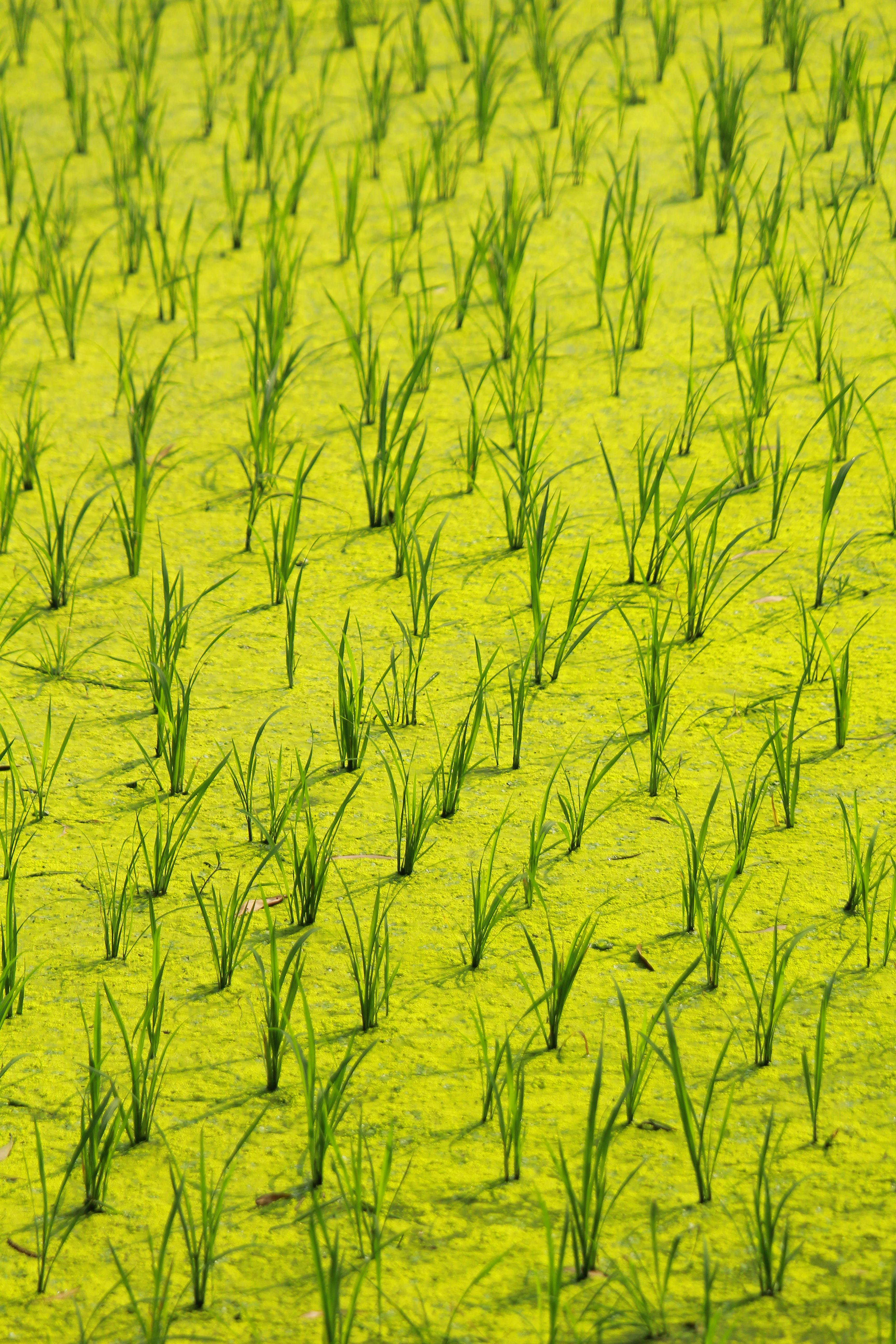
Japanese encephalitis, often shortened to JE, is a viral infection spread by infected Culex mosquitoes. These mosquitoes tend to bite from dusk to dawn. The virus is mainly found in rural and peri-urban parts of Asia and the Western Pacific, especially around flooded rice fields, pig farming and wetland areas where mosquitoes breed. Most infections cause no symptoms or only mild illness. That is partly why JE can be easy to underestimate. In a small proportion of infections, around 1 in 250, the virus causes encephalitis, which means inflammation of the brain. Severe illness can develop quickly, with fever, headache, neck stiffness, confusion, seizures or coma. Some people die from severe JE, and some survivors are left with long-term neurological or behavioural problems. There is no specific treatment that clears the virus. Care is mainly supportive, often in hospital. For travellers, prevention matters more than treatment after the event.
Two doses, planned around your departure date
The Japanese encephalitis vaccine used in the UK is designed to reduce the risk of JE in people who may be exposed during travel or through work. It does not remove the need for mosquito bite precautions, and it will not protect against other mosquito-borne infections such as dengue or malaria. For most people, the primary course is two doses, usually given 28 days apart. Adults aged 18 to 65 may be able to use an accelerated schedule, with the second dose 7 days after the first, when time is short. The course should ideally be completed at least one week before possible exposure. Children can be vaccinated from early infancy with age-appropriate assessment, so family trips need a proper appointment rather than a quick yes or no. A booster may be advised if you remain at risk, travel frequently to JE areas or return for another higher-risk trip after a previous course. The vaccine is not suitable for everyone. Serious allergy to a previous dose or vaccine component matters, and vaccination may be postponed if you are acutely unwell with fever. Pregnancy and breastfeeding need a careful risk discussion.
Where JE risk tends to matter
JE risk is linked most strongly with parts of East Asia, South East Asia, South Asia and the Western Pacific. It can be relevant for travel to countries such as Thailand, Vietnam, Cambodia, Laos, Indonesia, the Philippines, India, Nepal, Sri Lanka, China, Japan and parts of Australia where outbreaks or transmission have been reported. The risk is usually much lower for short trips spent only in major cities. It rises with longer stays, rural travel, night-time outdoor exposure, camping, cycle touring, work near rice fields or pig farms, and travel during local transmission seasons. Monsoon and pre-harvest periods can increase mosquito activity in some rice-growing regions, although patterns vary by country and year.
Plan it while your dates still have room
The JE course takes a little organising, especially if you need the standard two-dose schedule. If your route includes rural Asia, longer stays or uncertain plans, book a travel vaccination appointment before the final week rush. Trafford Clinic is in Old Trafford, with patients also coming from Chorlton for travel health appointments. Bring your itinerary, dates, vaccine history and any medical details that may affect suitability.
Frequently asked
Common questions about this destination.
How early should I book the Japanese encephalitis vaccine?
Book as soon as your route is reasonably clear, especially if you may need the standard two-dose schedule given 28 days apart. If you are leaving soon, an accelerated schedule may be possible for some adults, but it still needs to be completed before exposure where possible.
Do I need the Japanese encephalitis vaccine for Thailand or Vietnam?
Not automatically. A short hotel-based city or beach trip is usually lower risk, while rural stays, backpacking, volunteering, cycling, farm visits or travel during wetter seasons can make vaccination more relevant. Bring the actual route, not just the country name.
Can children have the Japanese encephalitis vaccine?
Soreness, tenderness or redness where the injection was given can happen. Some people also notice tiredness, muscle aches, headache or a mild temperature for a short time. Serious reactions are uncommon, but tell the clinician about previous vaccine reactions or allergies before vaccination.
What side effects are common after the JE vaccine?
Soreness, tenderness or redness where the injection was given can happen. Some people also notice tiredness, muscle aches, headache or a mild temperature for a short time. Serious reactions are uncommon, but tell the clinician about previous vaccine reactions or allergies before vaccination.
Can I have the vaccine if I am pregnant or breastfeeding?
Japanese encephalitis vaccination is usually avoided during pregnancy and breastfeeding as a precaution. There are situations where the risk from travel may be high enough to discuss it carefully, particularly with longer rural exposure. Do not rely on a general destination list for that decision.