Private blood tests vs NHS: when each one makes sense
When the NHS is the right answer, when private testing adds genuine value, and how UKAS-accredited labs make the results interchangeable.
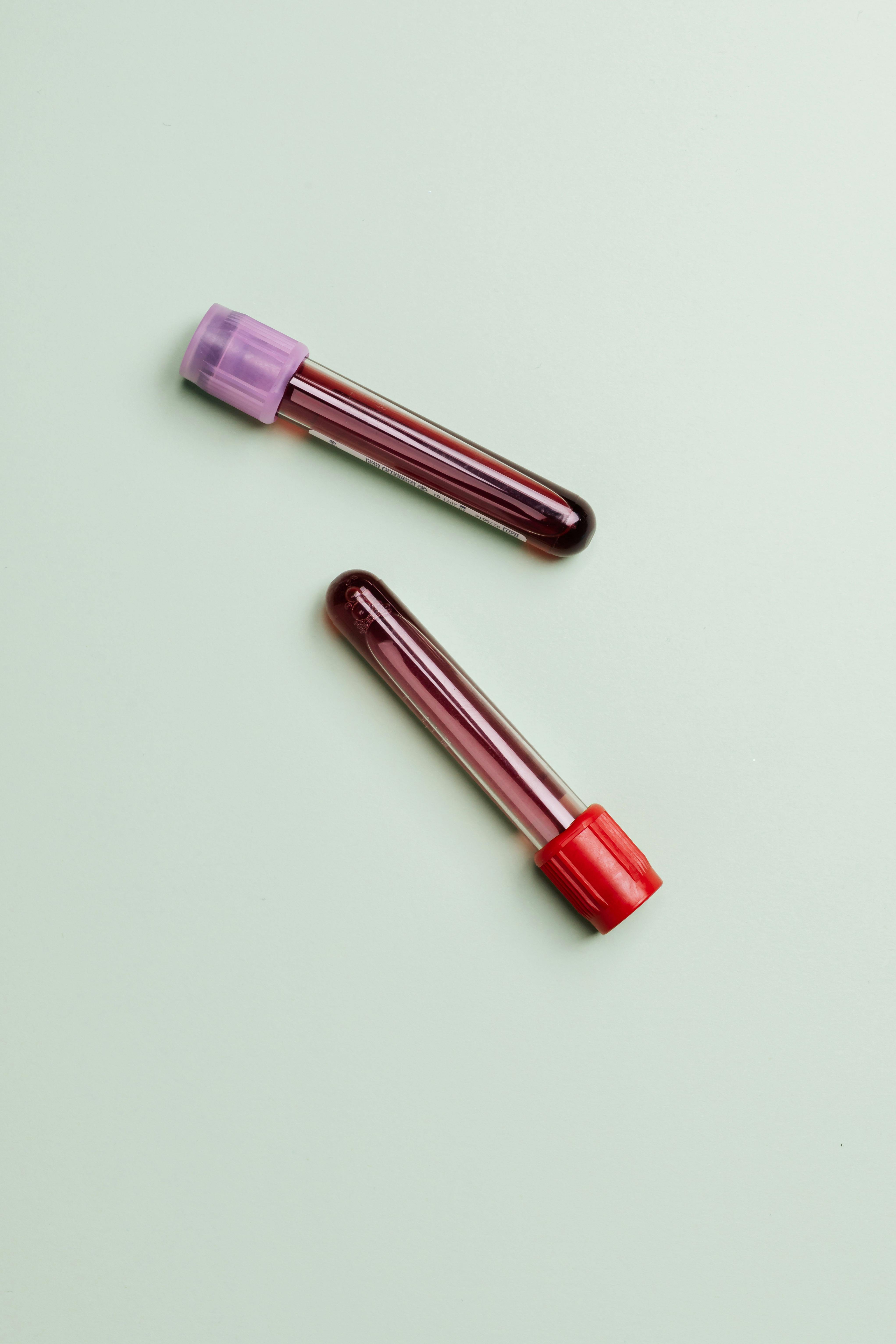
The honest comparison of NHS and private blood tests
The number of people considering private blood tests has grown sharply in the last few years. Some of it is driven by NHS access constraints, some by curiosity, some by the rise of weight loss medication and HRT requiring baseline panels. The fundamental question is straightforward: when does private add real value, and when is it duplicating something the NHS does well? This guide, written by pharmacist Haroon Iqbal MPharm, IP (GPhC reg. 2051093) at Trafford Clinic, operated by Empire Pharmacy (GPhC premises 1123966), walks through the strengths of each route and gives concrete decisions for common situations. We do not believe the answer is always private — we routinely advise patients to use the NHS when that is the right answer.
What the NHS does well
The NHS blood testing system is built for clinically-led diagnosis. Strengths:
- Routine screening. Annual cholesterol, NHS Health Check (40–74-year-olds every 5 years), pre-pregnancy bloods, post-natal recovery, post-bariatric monitoring, diabetes annual reviews. These are well-covered.
- GP-initiated workup for specific symptoms. If you have new fatigue, unexplained weight change, suspected anaemia, abdominal pain, easy bruising — your GP will request the relevant battery of bloods on the NHS and they will be reviewed promptly.
- Coverage when clinically indicated. Anaemia workup, thyroid function for suspected hypothyroidism, B12 for neurological symptoms, full lipid panels for cardiovascular risk — all on the NHS and free.
- Diagnostic certainty. For confirming or excluding a diagnosis, the NHS lab system is the legal record. Insurance, employment medicals and clinical decision-making typically anchor on NHS results.
- Cost. Free at the point of use.
Where the NHS struggles
The honest picture:
- Non-routine panels. Hormones (testosterone, oestradiol, progesterone), comprehensive wellness panels, advanced lipid panels (apolipoproteins, particle size), nutritional panels (vitamin D, B12, ferritin, magnesium, zinc), thyroid antibodies. The NHS does these when there is a specific clinical question, not pre-emptively.
- Timing inflexibility. NHS phlebotomy is appointment-based and can be 2–4 weeks out in some areas. For hormones that need specific cycle-day timing, this can be impossible.
- Patient-initiated testing. If you want a baseline before starting Mounjaro privately, the NHS will not do that pre-emptively. Likewise pre-employment, executive health screens, fitness-for-travel screens.
- Getting raw results. Some NHS systems still take weeks to send patients copies. Many patients want the actual values in their hand the same day.
When private adds genuine value
The honest list of when we recommend private testing:
- Pre-employment medicals where you need rapid turnaround and a clean document for HR.
- Pre-Mounjaro or pre-Wegovy baseline. NHS will not run a pre-medication baseline for a private prescription. We run the panel on-site — see pre-Mounjaro baseline blood panel.
- Cycle-day-specific hormone testing. Day 3 panels for FSH, LH, AMH; day 21 panels for progesterone. NHS phlebotomy timing is rarely compatible. See hormone panels for women.
- Executive health screens — comprehensive wellness panels that include markers the NHS does not screen pre-emptively.
- Second-opinion testing. If you have results from elsewhere and want a clean comparison.
- HRT monitoring where the NHS testing cadence does not match your titration speed.
- Thyroid antibodies where TSH is borderline and you want to know about Hashimoto's risk — see thyroid panel explained.
- Fertility planning where you want a full picture before approaching your GP.
- Suspected nutritional deficiencies where the GP is unwilling to test pre-emptively. See vitamin D and B12 deficiency symptoms.
How private results integrate with NHS care
This is a common question. The answer:
- UK private labs running NHS clinical standards (UKAS-accredited — see below) produce results that are clinically interchangeable with NHS lab results. The same machines, the same reference ranges, the same QC.
- Your GP can accept private results as supporting evidence for clinical decisions. Many do. Some choose to repeat through their own labs before formal diagnosis or prescription — this is typically for audit-trail reasons rather than mistrust of the private result.
- If you are going to ask your GP for a prescription based on a private blood result (for example, thyroxine for newly-found hypothyroidism), expect the GP to repeat the test through NHS labs before issuing the prescription. This is normal and not an insult to the private result — it is how GPs document clinical decisions.
UKAS accreditation explained
UKAS (United Kingdom Accreditation Service) is the national body that accredits laboratories against international standards (ISO 15189 for medical testing labs). All NHS labs are UKAS-accredited. Reputable private lab providers (TDL, Randox Health, Synnovis, Synlab, Affinity, and others) are also UKAS-accredited.
UKAS accreditation means:
- The lab follows documented standard operating procedures.
- External quality assurance schemes confirm result accuracy.
- Reference ranges are validated against population data.
- Equipment is calibrated and maintained to standard.
For our patients, we work exclusively with UKAS-accredited partner labs. Ask any private provider for their UKAS accreditation number — reputable providers display it openly.
Cost realism
Single tests are a few tens of pounds; comprehensive panels run into hundreds. We will not put a number on this page because pricing changes — see our pricing page for the current figures. We do not aim to be the cheapest blood-test provider in the UK; we aim to be a competent local pharmacist-led option with pharmacist annotation of results, a follow-up consultation, and a GP-letter follow-up where indicated.
Concrete examples
- You had cholesterol checked at the GP a year ago and want to know your status now. → NHS — ask your GP for a repeat lipid panel as part of your annual review.
- You are starting Mounjaro privately tomorrow and need baseline bloods today. → Private. NHS will not run pre-emptive baseline panels for private prescriptions.
- You suspect pernicious anaemia (severe fatigue, sore tongue, paraesthesiae). → NHS — your GP will run B12, intrinsic factor antibodies, FBC and folate. This is symptomatic workup, NHS will move quickly.
- You want to plan a pregnancy and check fertility hormones. → Private — cycle-day timing is essential and difficult to coordinate via NHS phlebotomy.
- You have a routine GP appointment in 6 weeks for thyroid review. → NHS — use the existing appointment unless you cannot wait.
- You are 6 months into a new role with rising cortisol stress symptoms. → Private — morning cortisol timing is hard via NHS phlebotomy and the GP may not test pre-emptively.
See our brand blood tests page, our reading blood test results guide, and our local pages — Manchester, Old Trafford, Sale, Altrincham and Chorlton.
Key points from this guide.
Quick summary before you read the detail.
NHS wins for routine workup
Private wins on timing
UKAS makes results interchangeable
GP can accept private results
Pharmacist annotation included
Ask for UKAS number
What to do next.
Three steps after reading.
Decide what's clinically needed
Book your blood draw
Get a GP letter if needed
About this guide.
Walk-in welcome Monday to Saturday. Same-day bookings available most of the time.
- Mon09:00 – 19:00
- Tue09:00 – 19:00
- Wed09:00 – 19:00
- Thu09:00 – 19:00
- Fri09:00 – 19:00
- Sat09:00 – 17:00
- SunClosed
Related questions
If your question isn't here, give us a call and we'll talk it through.
References for this page
Every clinical claim above is sourced from an authoritative public reference.
- 01
- 02
- 03
- 04
- 05
Information on this page is general guidance from Trafford Clinic, operated by Empire Pharmacy (GPhC premises 1123966). It is not a substitute for individual clinical assessment.