Pre-Mounjaro baseline panel: what's in it and why
What's in our baseline panel before starting GLP-1 treatment — HbA1c, kidney, liver, thyroid, lipids, vitamin D — and why we repeat at six months.
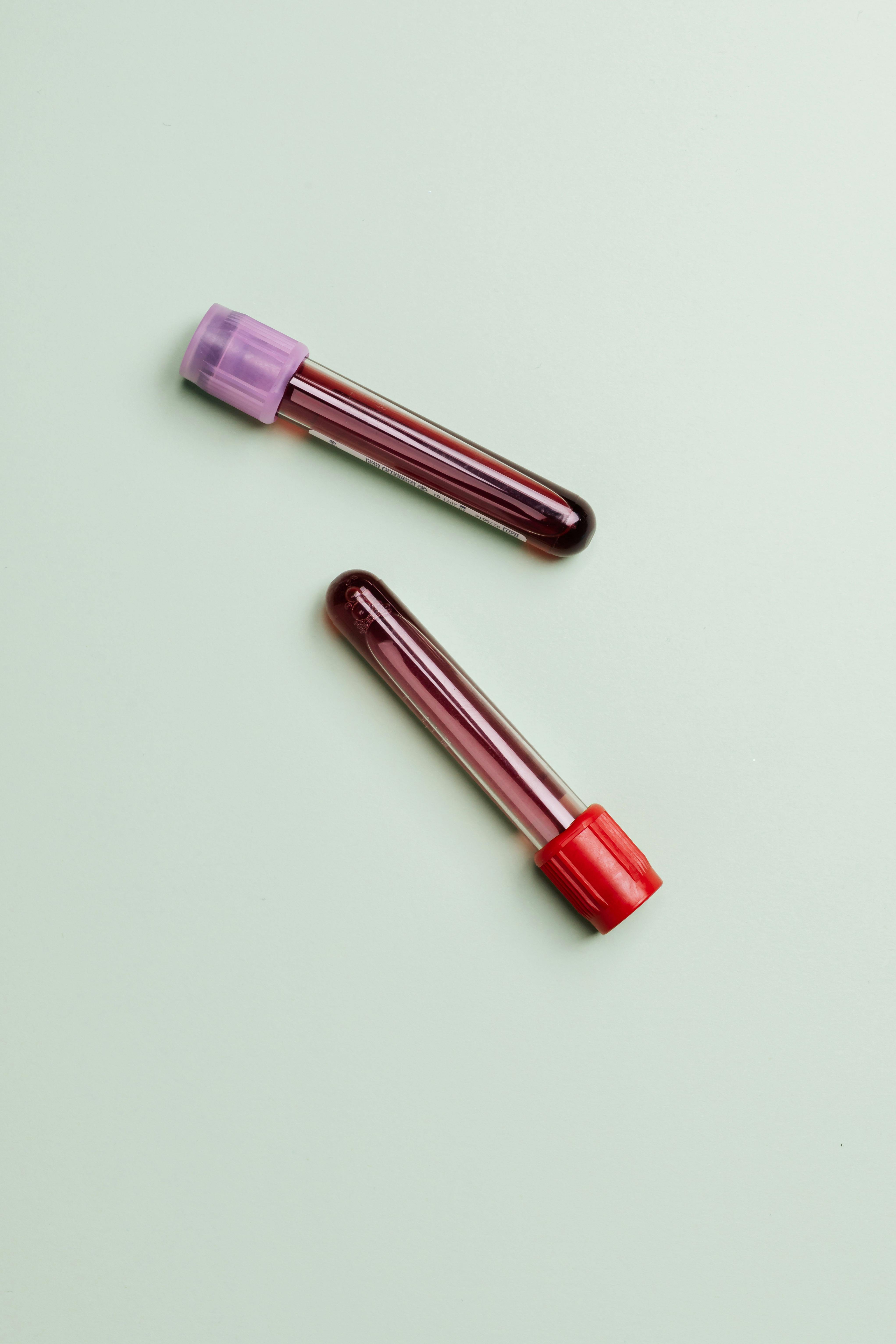
Honest answers, before you commit.
Starting Mounjaro or Wegovy without baseline blood tests is starting a treatment with no reference point. You won't know if your kidney function changes. You won't know if your liver enzymes were normal before. You won't catch the underlying hypothyroidism that's contributing to your weight gain. You won't have a benchmark to celebrate the cardiovascular improvements that come with successful treatment. This guide explains the baseline panel we run before every GLP-1 prescription — what's in it, why each test matters, and when we repeat. Written by Haroon Iqbal MPharm, IP, Independent Prescriber and lead pharmacist at Trafford Clinic.
Why baseline bloods matter
Two reasons drive our baseline panel approach. First, treatment safety: GLP-1 drugs interact with several organ systems, and we want to know your starting point in case something shifts. Second, treatment optimisation: a baseline lets us track the positive metabolic changes (HbA1c drop, lipid improvement, ALT improvement) that come with weight loss, so we can document your response and justify continued treatment.
Skipping baseline bloods to save money or time means flying blind for the next 12 months. It's a false economy. NICE technology appraisals for both tirzepatide (TA1026) and semaglutide (TA875) require monitoring; the panel below is consistent with that framework.
HbA1c: T2D screening and tracking
HbA1c is the average glucose over the past 90 days. We run it for two reasons:
- To identify undiagnosed prediabetes or type 2 diabetes: Among people seeking weight-management treatment, undiagnosed dysglycaemia is common. A baseline HbA1c in the prediabetes range (42–47 mmol/mol) changes the conversation — weight loss is now treating insulin resistance, not just managing weight.
- To document baseline for tracking: Mounjaro and Wegovy both produce striking HbA1c improvements. A baseline of 50 mmol/mol falling to 38 in six months tells us the treatment is working at the metabolic level, regardless of the scale.
NICE thresholds: below 42 normal, 42–47 prediabetes, 48 and above diabetes.
Kidney function (U&Es and eGFR)
GLP-1 drugs aren't nephrotoxic in the way some medications are, but rare cases of acute kidney injury have been reported — mostly in the context of severe nausea, vomiting and dehydration during dose escalation. A baseline creatinine and eGFR lets us:
- Spot any pre-existing chronic kidney disease that might affect dosing or monitoring
- Recognise medication-induced changes promptly if they occur
- Adjust dose-escalation pacing in patients with reduced kidney function
Mild CKD (eGFR 60–89) doesn't preclude GLP-1 treatment. Moderate CKD (eGFR 30–59) requires extra caution. Severe CKD (eGFR under 30) is a contraindication for some GLP-1 products and requires specialist input.
Liver function (LFTs)
Liver enzymes (ALT, AST, ALP, GGT, bilirubin) are part of the baseline for two reasons:
- NAFLD prevalence: Non-alcoholic fatty liver disease affects a substantial proportion of patients with overweight or obesity — often silently. A raised ALT at baseline often reflects underlying NAFLD. GLP-1 treatment usually improves it (sometimes dramatically), and tracking ALT is one way to show that benefit.
- Gallbladder risk monitoring: Rapid weight loss raises gallstone risk. Baseline bilirubin and ALP help us spot bile-duct issues if symptoms develop later.
Thyroid function
This is the most under-appreciated baseline test. Undiagnosed hypothyroidism causes weight gain, fatigue, cold intolerance and constipation — all of which can be confused for obesity-driven symptoms. Starting Mounjaro for someone whose 'weight problem' is actually hypothyroidism means treating the wrong condition. A TSH and free T4 at baseline rules this out (or in).
If TSH is raised (above ~4 mIU/L), we'd want to confirm before starting GLP-1 and likely treat the hypothyroidism first or in parallel. The relationship matters because GLP-1 has theoretical thyroid C-cell concerns from rodent studies — not demonstrated in humans, but worth a baseline.
Lipid profile
Cardiovascular risk is a major reason to want weight loss in the first place. We run a full lipid panel at baseline so we can:
- Calculate baseline cardiovascular risk (QRISK3 score)
- Identify familial dyslipidaemia (very high LDL despite normal weight)
- Track lipid improvements with treatment — GLP-1 drugs consistently improve triglycerides, modestly improve HDL, and reduce LDL
For the technical detail on each marker see our blood test results plain-English guide.
Vitamin D
Common in Manchester, more common in our South Asian patients. Vitamin D deficiency contributes to fatigue, muscle aches, low mood — symptoms that can be confused for GLP-1 side effects. Identifying and correcting deficiency at baseline makes the treatment course smoother. See our Manchester vitamin D guide.
What's optional but useful
- Ferritin: Catches iron deficiency before any anaemia develops. Common in menstruating women and in our Rusholme patient population.
- B12 and folate: Worth considering in metformin users (see metformin and B12) and in vegetarian or vegan patients.
- Pregnancy test (women of reproductive age): GLP-1s are contraindicated in pregnancy. We confirm before prescribing.
- Lipase or amylase: Not routine, but sometimes added if there's pancreatic concern.
How we structure the panel
Our standard 'Pre-Weight Loss' panel includes HbA1c, U&Es with eGFR, LFTs (ALT, AST, ALP, GGT, bilirubin, albumin), full lipid profile, TSH and free T4, vitamin D, FBC, ferritin. For most patients that's enough. We add optional tests based on history (B12 and folate, lipase, oestradiol or testosterone in specific cases).
The blood draw is straightforward — venous sample from the antecubital fossa, takes 5 minutes. Results return in 24–72 hours from our UKAS-accredited lab. We review the results with you before your first prescription, not afterwards.
6-month repeat panel
At six months we repeat a focused subset: HbA1c, lipid profile, U&Es, LFTs, weight, blood pressure. This gives us a clear before-and-after picture that we can document in your record. It's also when most patients see the most dramatic improvements, which is satisfying for both sides.
If symptoms develop in the interim (persistent nausea past week 8, abdominal pain, signs of dehydration), we'd repeat sooner. See our GLP-1 side effects guide.
How to book
Pre-treatment blood tests are part of our standard weight-loss consultation pathway, but we also offer them as a standalone service. Book at traffordclinic.co.uk/blood-tests or call 0161 258 6149.
We see blood test patients across Greater Manchester — Manchester, Altrincham, Sale, Chorlton, Salford Quays, Rusholme, Stretford, and our home clinic in Old Trafford. Empire Pharmacy is GPhC-registered (premises 1123966); Haroon Iqbal is an Independent Prescriber (reg. 2051093).
Related reading: Mounjaro vs Wegovy, Stopping Mounjaro, Reading blood test results.
Key points from this guide.
Quick summary before you read the detail.
Baseline is non-negotiable
HbA1c finds hidden T2D
Kidney and liver context
Thyroid hides weight gain
Vitamin D matters in Manchester
Repeat at 6 months
What to do next.
Three steps after reading.
Book the panel
Review results with us
Repeat at 6 months
About this guide.
Walk-in welcome Monday to Saturday. Same-day bookings available most of the time.
- Mon09:00 – 19:00
- Tue09:00 – 19:00
- Wed09:00 – 19:00
- Thu09:00 – 19:00
- Fri09:00 – 19:00
- Sat09:00 – 17:00
- SunClosed
Related questions
If your question isn't here, give us a call and we'll talk it through.
References for this page
Every clinical claim above is sourced from an authoritative public reference.
- 01NICENICETA1026 — Tirzepatide for managing overweight and obesityhttps://www.nice.org.uk/guidance/ta1026Accessed 20 May 2026
- 02NICENICETA875 — Semaglutide for managing overweight and obesityhttps://www.nice.org.uk/guidance/ta875Accessed 20 May 2026
- 03electronic Medicines CompendiumSOURCEMounjaro SmPChttps://www.medicines.org.uk/emc/product/13491/smpcAccessed 20 May 2026
- 04NICE NG28NICEType 2 diabetes in adults: managementhttps://www.nice.org.uk/guidance/ng28Accessed 20 May 2026
Information on this page is general guidance from Trafford Clinic, operated by Empire Pharmacy (GPhC premises 1123966). It is not a substitute for individual clinical assessment.