Malaria tablets compared: Malarone vs doxycycline vs mefloquine
A clinical, side-by-side comparison of the three UK malaria prophylaxis options — dosing schedules, side effects, contraindications, cost, and which works best for your destination.
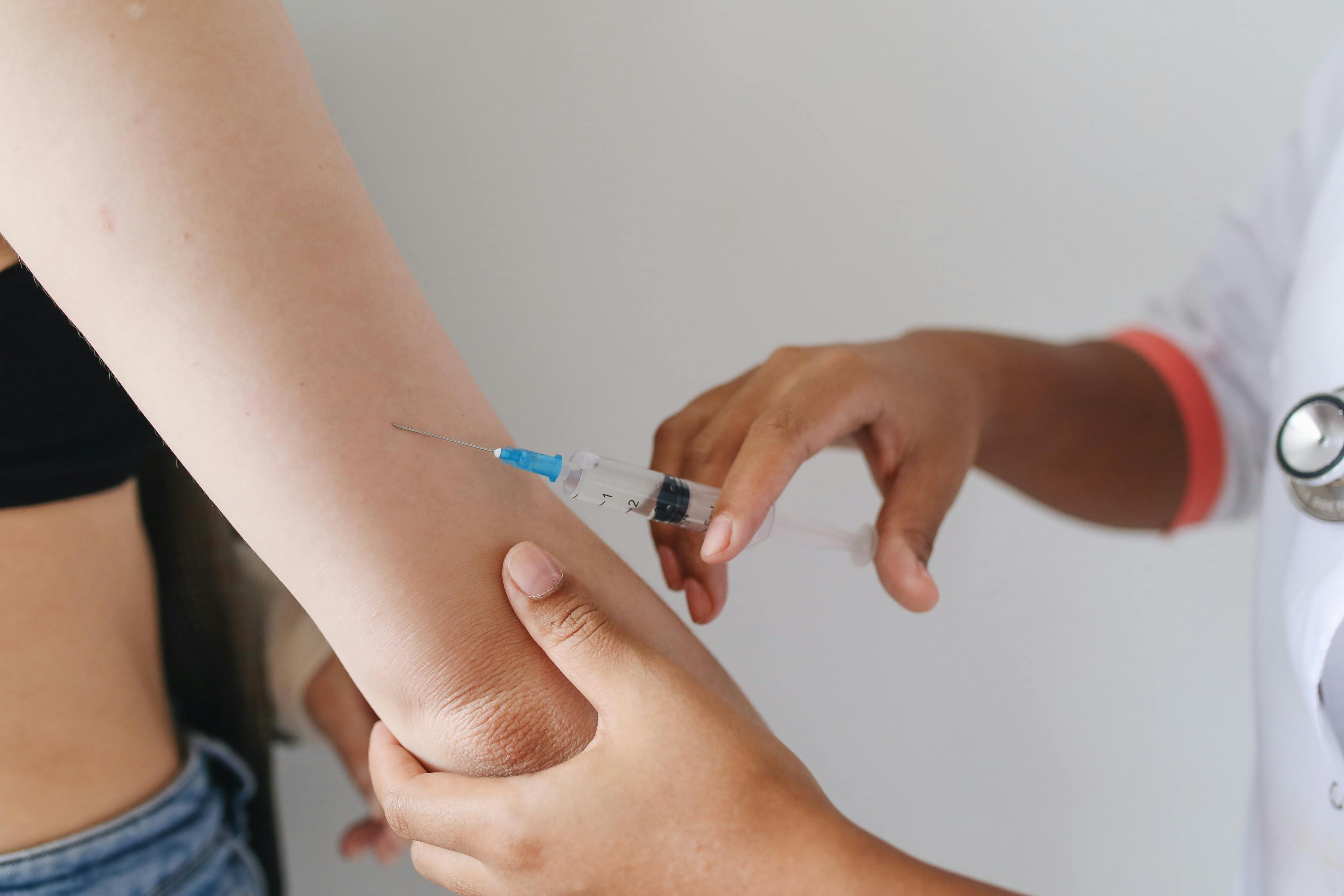
Honest answers, before you commit.
There is no universally best malaria tablet. The three options available in the UK — atovaquone/proguanil (Malarone), doxycycline, and mefloquine (Lariam) — each have a niche, and the right choice depends on your destination, your length of stay, your medical history, and what your bank balance can absorb. This guide walks through how each one works, the dosing schedules that actually matter, the side effects you should weigh, and how we choose between them in clinic. Written by Haroon Iqbal MPharm, IP at Trafford Clinic — pharmacist-led travel health in Old Trafford and across Manchester.
The three options at a glance
Before we get into the detail, here's the shape of the decision. All three drugs are effective against Plasmodium falciparum, the species responsible for severe malaria, when used correctly. They differ in how you take them, how they feel, and how much they cost.
- Malarone (atovaquone/proguanil): Short pre-trip and post-trip dosing, generally well tolerated, more expensive. Our default first choice for most travellers.
- Doxycycline: Cheap, broad antibiotic effect, but four weeks of post-trip dosing and a real photosensitivity risk in sunny climates.
- Mefloquine (Lariam): Once weekly, long-established, but the neuropsychiatric warning makes us reserve it for specific cases. Rarely used now in the UK.
How each drug works
Malarone combines two drugs. Atovaquone inhibits the parasite's mitochondrial electron transport (specifically the cytochrome bc1 complex), and proguanil — via its metabolite cycloguanil — inhibits dihydrofolate reductase. The combination has a synergistic effect and a low resistance rate. It kills parasites at the liver stage as well as in the bloodstream, which is why the post-trip dosing is so short.
Doxycycline is a tetracycline antibiotic. It inhibits the apicoplast, a parasite organelle, leading to delayed parasite death. It acts only at the bloodstream stage, not the liver stage — which is why you need a full four weeks of post-trip dosing to catch parasites that emerge from the liver after you've left the malaria zone.
Mefloquine is a quinoline derivative. It accumulates in infected red blood cells and disrupts haem polymerisation. Like doxycycline, it works at the bloodstream stage only.
Dosing schedules
This is where each drug's personality shows. Malarone: one tablet daily, starting one to two days before entering the malaria zone, continuing daily during the trip, and for seven days after leaving. So a two-week safari means roughly 23 tablets total. Take with food or a milky drink to improve absorption.
Doxycycline: 100mg daily, starting two days before entering the malaria zone, continuing daily during the trip, and for 28 days after leaving. The same two-week safari now means about 44 days of tablets. Take with a full glass of water, sitting upright for 30 minutes to avoid oesophageal irritation.
Mefloquine: 250mg once weekly, starting two to three weeks before entering the zone (so you can detect any neuropsychiatric reaction before you're committed), continuing weekly during the trip, and for four weeks after leaving. The advantage is once-weekly dosing. The disadvantage is the long lead-in and that early reaction window.
Side effects: what's actually likely
Malarone is the best-tolerated of the three. Most patients report no side effects at all. The most common are mild gastrointestinal upset (nausea, diarrhoea) and occasional vivid dreams. Rarely, mouth ulcers. It's safe in pregnancy only in specific circumstances — discuss with us if you're pregnant or planning to be.
Doxycycline's most relevant side effect for travellers is photosensitivity — your skin sunburns much faster, even through cloud. For a beach holiday in Thailand or Kenya, this matters. Other common effects: oesophagitis if you don't sit upright after taking it; thrush in women; nausea. It can interfere with the combined oral contraceptive pill (use additional protection for the trip and seven days after). Don't take with milk or antacids at the same time — they reduce absorption.
Mefloquine carries an MHRA boxed warning for neuropsychiatric effects: vivid dreams, anxiety, depression, rarely psychosis. It's contraindicated in anyone with a history of depression, anxiety disorder, psychosis or epilepsy. About one in 200 to 500 people will have a significant psychiatric reaction. That's the reason we very rarely prescribe it in 2026.
Contraindications: who can't have what
Malarone: severe renal impairment (eGFR below 30) is a contraindication because proguanil clears renally. Caution in pregnancy and breastfeeding. Generally fine with most other medications, but rifampicin and tetracyclines reduce its plasma levels.
Doxycycline: contraindicated in pregnancy (it deposits in foetal teeth and bones) and in children under 12. Caution in patients with hepatic impairment. Severe photosensitivity makes it a poor choice for beach holidays. Interacts with warfarin (raises INR) and oral contraceptives.
Mefloquine: contraindicated in anyone with a history of psychiatric illness, epilepsy, cardiac conduction abnormalities, or sensitivity to quinolines. Avoid in pregnancy in the first trimester unless travel is unavoidable.
Best choice by destination
Destination matters because resistance patterns differ.
- Sub-Saharan Africa (Kenya, Tanzania, Uganda, Nigeria, Ghana, etc.) — high P. falciparum intensity with mefloquine and chloroquine resistance. Use Malarone or doxycycline. For pilgrims combining Hajj 2026 with onward Africa travel, this matters.
- South Asia (India, Pakistan, Bangladesh, Sri Lanka) — variable malaria intensity. For urban-only travel, often no prophylaxis is needed; for rural travel, Malarone or doxycycline. See our India travel page.
- Southeast Asia (Thailand, Vietnam, Cambodia, Laos) — patchy distribution; most tourist areas are low-risk. For rural border regions, Malarone or doxycycline. See Thailand and Vietnam.
- Bali — no antimalarials needed for Bali itself, but eastern Indonesian islands (Sumba, Flores, Lombok rural) do require them. See our Bali page.
- Central and South America — Malarone or doxycycline for the Amazon basin; chloroquine still works in a few parts of Central America.
Cost considerations
Cost is real but should not be the sole driver. Malarone is the most expensive of the three by an order of magnitude; doxycycline is cheap (it's an old generic antibiotic); mefloquine sits in the middle. For a two-week safari, the price differences add up to perhaps £40–£100 — small compared to the rest of the trip. We discuss specific prices at consultation; see our pricing page for the overall structure.
Bite avoidance is still essential
No malaria tablet is 100% effective. Resistance exists. Compliance slips. The single most effective intervention you can make is to not get bitten. DEET-based repellents (50% concentration), permethrin-treated clothing for evening wear, and a mosquito net for sleeping in non-air-conditioned accommodation reduce bite count by 80–95%. We sell DEET and impregnated nets in clinic. Read our full malaria prevention page.
How to book
A malaria consultation at our Manchester travel clinic takes 15–20 minutes. We assess your destination, length of stay, medical history and budget, then issue a private prescription. Empire Pharmacy is a NaTHNaC-designated Yellow Fever Vaccination Centre, so we can combine malaria advice with other travel vaccines in the same visit. Book at traffordclinic.co.uk/booking or call 0161 258 6149.
Related reading: Hajj 2026 vaccination guide, Travelling with Mounjaro or Wegovy.
Key points from this guide.
Quick summary before you read the detail.
Malarone is the default
Doxycycline runs 4 weeks post-trip
Mefloquine has neuro warning
Doxy causes photosensitivity
Destination drives choice
Bite avoidance still matters
What to do next.
Three steps after reading.
Match drug to destination
Private prescription same day
Pair with bite kit
About this guide.
Walk-in welcome Monday to Saturday. Same-day bookings available most of the time.
- Mon09:00 – 19:00
- Tue09:00 – 19:00
- Wed09:00 – 19:00
- Thu09:00 – 19:00
- Fri09:00 – 19:00
- Sat09:00 – 17:00
- SunClosed
Related questions
If your question isn't here, give us a call and we'll talk it through.
References for this page
Every clinical claim above is sourced from an authoritative public reference.
- 01TravelHealthPro (NaTHNaC)TRAVELHEALTHPROMalaria — country-by-country prevention recommendationshttps://travelhealthpro.org.uk/disease/116/malariaAccessed 20 May 2026
- 02BNFSOURCEAntimalarials — prescribing guidancehttps://bnf.nice.org.uk/treatment-summaries/malaria-prophylaxis/Accessed 20 May 2026
- 03electronic Medicines CompendiumSOURCEMalarone SmPChttps://www.medicines.org.uk/emc/product/2785/smpcAccessed 20 May 2026
- 04MHRAMHRAMefloquine (Lariam): strengthened neuropsychiatric warningshttps://www.gov.uk/drug-safety-update/mefloquine-lariam-strengthened-…Accessed 20 May 2026
- 05World Health OrganizationWHOWorld Malaria Reporthttps://www.who.int/teams/global-malaria-programmeAccessed 20 May 2026
Information on this page is general guidance from Trafford Clinic, operated by Empire Pharmacy (GPhC premises 1123966). It is not a substitute for individual clinical assessment.