Ramadan and weekly GLP-1 injections: adjusting your schedule safely
Practical guidance from a Muslim-friendly pharmacist on continuing GLP-1 treatment safely through Ramadan.
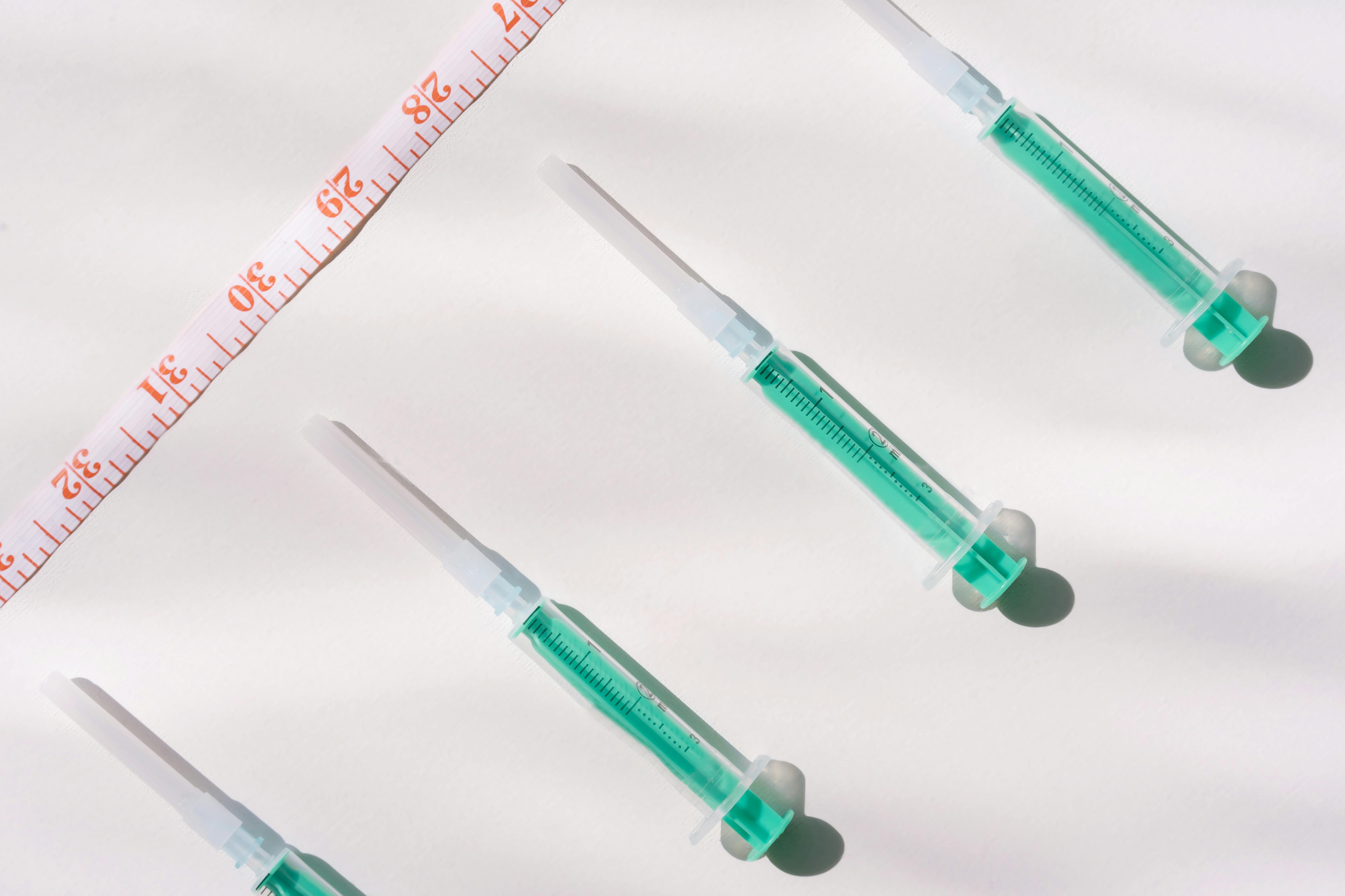
Continuing GLP-1 treatment safely through Ramadan
Ramadan presents a real challenge for patients on GLP-1 medication. The eating window is compressed to two meals — iftar at sunset and suhoor before dawn — and dehydration during the day is universal. GLP-1 drugs (Mounjaro and Wegovy) suppress appetite, slow gastric emptying and can cause nausea, which can compound the difficulty of fasting. Done well, however, most patients continue treatment safely through the month with simple timing adjustments. Done badly, the combination can trigger nausea, dehydration and (for patients on concurrent diabetes medication) hypoglycaemia. This guide, written by pharmacist Haroon Iqbal MPharm, IP (GPhC reg. 2051093) at Trafford Clinic, operated by Empire Pharmacy (GPhC premises 1123966), gives the practical framework we use with our Muslim patients in Rusholme, Old Trafford and across Greater Manchester.
Why timing matters during Ramadan
Mounjaro (tirzepatide) and Wegovy (semaglutide) are both weekly injections — the active drug stays in your system for around a week, so missing the precise day of the injection is far less critical than the timing of food intake around the injection. What does matter:
- Reduced eating window. Two meals between sunset and dawn, no food or fluid in daylight hours. This is roughly 11 hours of fasting in late winter and 17–18 hours of fasting in midsummer Manchester.
- Dehydration risk. No fluid intake during the day. GLP-1-related nausea is worsened by dehydration. Constipation worsens with low fluid.
- Hypoglycaemia risk. For patients on concurrent diabetes medication (sulphonylureas, insulin), the long fasting window plus GLP-1 enhances hypoglycaemia risk. The DAR-MENA consensus and the International Diabetes Federation guidance on fasting are the standard references.
Injection day timing
The drug stays in your system for roughly a week. You can keep your usual day. Most patients we see shift to evening injections, after iftar, so that any transient nausea from the injection happens during the open feeding window. Friday evening after maghrib is the most popular slot.
If your usual injection day was during the day during the working week, consider shifting permanently to evening for Ramadan. After Ramadan, you can keep the evening slot or return to your previous timing — either is fine.
Iftar (breaking the fast)
Break the fast in the traditional Sunnah pattern — dates and water first. Then a slow build:
- 3 dates and 200–300 ml of water at sunset.
- Wait 20–30 minutes for the prayer and a small soup if traditional.
- Main meal afterwards — protein-led (chicken, fish, lentils, beans), moderate complex carbohydrate, vegetables. Avoid frying and high-fat dishes which worsen nausea and bloating with GLP-1.
- Continue hydration through the evening — plain water, herbal tea, milk. Aim for 1.5–2 litres before suhoor.
The slow, two-stage breaking of the fast is much better tolerated on GLP-1 medication than a heavy single sitting. Bulk consumption of biryani or paratha at iftar is the most common trigger we see for severe post-iftar nausea.
Suhoor (pre-dawn meal)
Suhoor is the structural anchor of the day's energy. The temptation is to eat as much as possible to last the day. With GLP-1 medication this backfires — you cannot physically tolerate a large meal, and a high-fat suhoor causes prolonged nausea through the morning.
Aim for:
- Protein — eggs, yoghurt, paneer, chicken.
- Slow-release carbohydrate — oats, wholegrain bread, brown rice.
- Healthy fats — avocado, nuts, olive oil. Small portion.
- Hydration — 500–700 ml of fluid (water and milk are better than tea or coffee, which are diuretic).
- Fibre — fruit and vegetables to mitigate constipation.
For more on managing nausea, see the GLP-1 side effects timeline.
Hypoglycaemia red flags
This is the single most important section if you have type 2 diabetes and are on Mounjaro alongside other diabetes medication. The fasting window plus GLP-1 plus sulphonylureas or insulin can push glucose too low. Symptoms to recognise:
- Shakiness, sweating, hunger that is not normal Ramadan hunger.
- Light-headedness, confusion, irritability.
- Blurred vision, palpitations, pale clammy skin.
If you experience hypoglycaemia symptoms during the fasting day, breaking the fast is required by Islamic jurisprudence (the Quranic permission for the sick to defer fasting). Do not push through. Glucose, then dates, then full medical review. We strongly recommend a pre-Ramadan GP review for any patient on sulphonylureas (gliclazide, glimepiride) or insulin, with dose adjustment downward where appropriate. See Mounjaro for diabetes vs weight loss.
Hydration strategy
Between iftar and suhoor, aim for 8–10 cups of fluid (roughly 2 litres). This serves three purposes: it reduces nausea, prevents constipation (a common GLP-1 issue), and replaces what is lost during the day. Avoid energy drinks and high-sugar drinks at iftar — they spike blood sugar and worsen mid-night nausea.
When to skip a dose
The threshold to skip the weekly injection in Ramadan is:
- Severe nausea or vomiting that has prevented adequate intake at iftar or suhoor.
- Ketosis symptoms — fruity breath, severe lethargy, abdominal pain.
- Dehydration — dark urine, headache, dizziness.
- Acute illness — fever, infection, vomiting.
If you skip a dose, do not double up the next week — just resume the normal weekly schedule. If you have skipped more than two consecutive doses, contact us before restarting — we may need to step back down the titration ladder.
Fasting exemptions in Islamic jurisprudence
Islamic teaching is explicit that the sick, pregnant women, breastfeeding mothers, the elderly and children before puberty are exempt from fasting. "Sick" in this context includes diabetes if fasting is unsafe, severe gastrointestinal symptoms, and any condition where fasting risks harm. Patients should consult their imam if uncertain; from a clinical standpoint, we will help you document the medical position.
Practical planning at Trafford Clinic
Book a pre-Ramadan review 2–3 weeks before the start. We will check your dose titration, confirm your blood glucose pattern if diabetic, adjust other medications where needed, and write down the iftar/suhoor structure that fits your current dose. See our local pages including Rusholme, Old Trafford and central Manchester. For ethnic-minority-specific BMI thresholds see our CG189 guide. If you are on metformin, see metformin and B12 deficiency — fasting compounds the risk and we may add a B12 check.
For the comparison of medications see Mounjaro vs Wegovy.
Key points from this guide.
Quick summary before you read the detail.
Two-meal eating window
Dehydration worsens nausea
Hypoglycaemia risk if diabetic
Shift injection to evening
Slow two-stage iftar
Skip dose if unwell
What to do next.
Three steps after reading.
Pre-Ramadan review
Move injection to maghrib
Break the fast if needed
About this guide.
Walk-in welcome Monday to Saturday. Same-day bookings available most of the time.
- Mon09:00 – 19:00
- Tue09:00 – 19:00
- Wed09:00 – 19:00
- Thu09:00 – 19:00
- Fri09:00 – 19:00
- Sat09:00 – 17:00
- SunClosed
Related questions
If your question isn't here, give us a call and we'll talk it through.
References for this page
Every clinical claim above is sourced from an authoritative public reference.
- 01
- 02
- 03
- 04
- 05
Information on this page is general guidance from Trafford Clinic, operated by Empire Pharmacy (GPhC premises 1123966). It is not a substitute for individual clinical assessment.