Mounjaro Plateau at Month 4
Plateaus are normal, predictable, and usually solvable. A pharmacist-led look at why month 4 is the most common stall point.
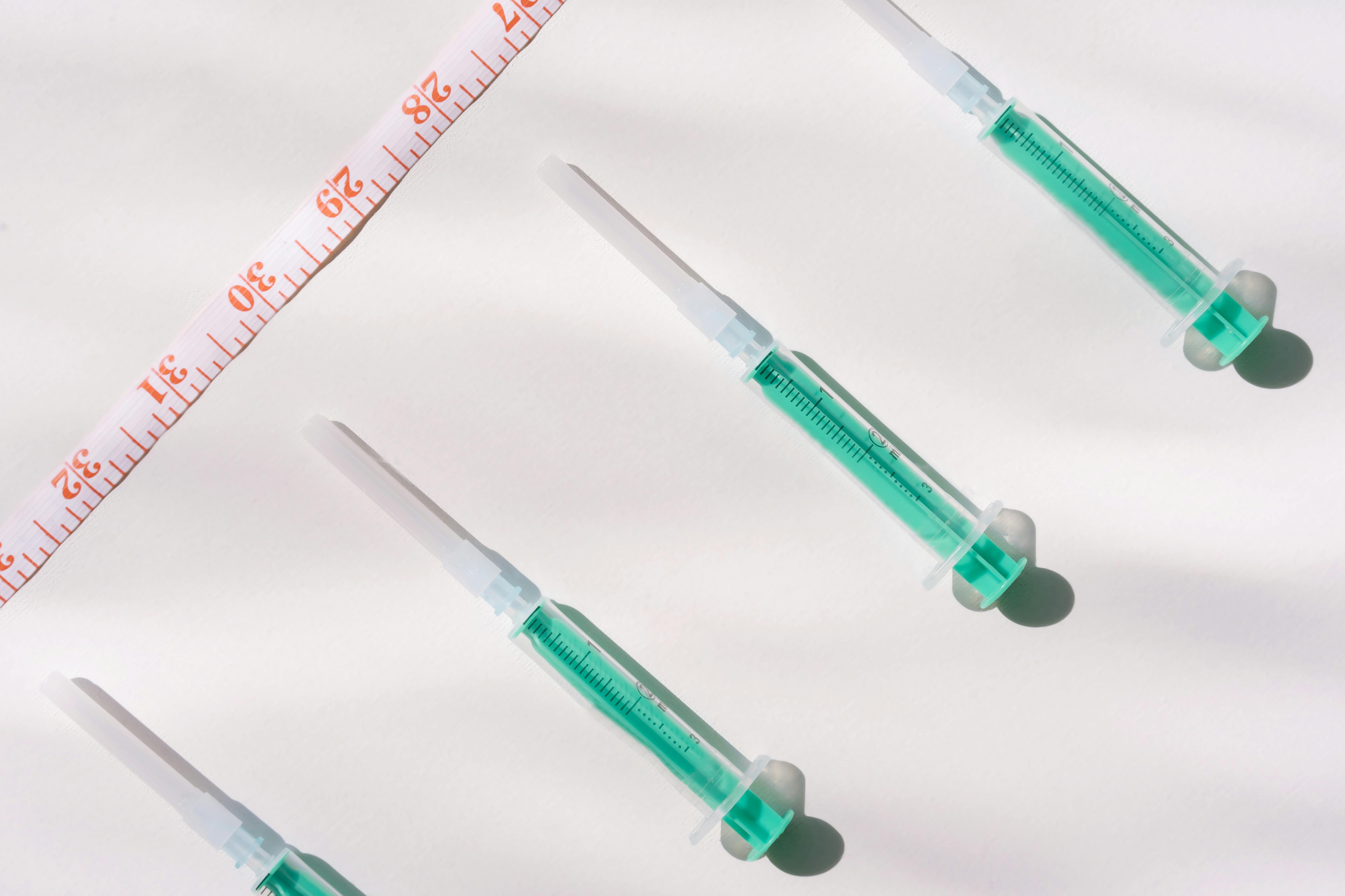
Why weight stalls and what to do
Most patients on Mounjaro see weight come off steadily for the first 3 months — then somewhere in month 4, the scale stops moving. It's the single most common consultation topic we hear at Trafford Clinic after the initial 'is this for me' conversation. The reasons are predictable, the levers are well-defined, and most plateaus resolve once we work through them systematically. The wrong response — doubling the dose, cutting calories drastically, or stopping the drug — is the one we see most often online.
Weight loss with GLP-1/GIP agonists is non-linear by physiological design. Appetite suppression peaks early. Your basal metabolic rate falls as you lose weight. Muscle loss accelerates if protein intake is too low. Set-point physiology resists weight loss with falling leptin and rising ghrelin. None of this is failure — it's the body doing what it's supposed to do. The clinical question is which of these is actually driving your plateau, and the answer changes the intervention.
Why month 4 is the most common stall
Patients on Mounjaro typically see clean, steady weight loss in months 1–3. The biggest driver early on is appetite suppression: tirzepatide acts on GLP-1 and GIP receptors in the hypothalamus and gut, and the result is reduced hunger, smaller portions, less snacking, and earlier satiety. This translates to a meaningful calorie deficit without conscious dieting. The first 8–10% of body weight comes off fast.
Then around month 4, the scale stops moving. This is the most common consultation request after the initial 'is this for me' visit. It's also the moment most patients reach for the wrong lever — doubling the dose, cutting calories drastically, or stopping the drug — when the right interventions are more nuanced.
The physiology of the plateau
Three things are happening at the same time:
- Basal metabolic rate has fallen. You've lost weight, so you need fewer calories to maintain. This is not 'metabolic damage' — it's the predictable arithmetic of being a lighter person. A 12-15% lower BMR is normal at this point.
- Set-point physiology has activated. Falling leptin and rising ghrelin signal 'starvation' to the hypothalamus, which then tries to restore weight via appetite drive and reduced thermogenesis. The drug blunts this but doesn't eliminate it.
- Muscle loss has accumulated. Patients eating less and moving the same (or less, because appetite is lower) lose muscle alongside fat. Muscle is metabolically expensive tissue; losing it amplifies the BMR drop.
The three most common drivers we see
1. Sub-therapeutic dose
If you've been on 5mg or 7.5mg for 8+ weeks with a declining response slope, you may have reached that dose's ceiling. Dose escalation — to 7.5mg, 10mg, 12.5mg, or 15mg as appropriate — often resumes weight loss. But the decision should be made on response curve, side-effect tolerance, and clinical goal — not on 'I want to lose more so go up'.
2. Inadequate protein intake
The single most common dietary error we see. Appetite suppression makes it easier to eat less, but if 'less' means less protein specifically, muscle loss accelerates. Aim for 1.2–1.6g per kg of ideal body weight per day, spread across 3–4 meals. For a patient with an ideal weight of 70kg, that's 84–112g protein daily.
3. Resistance training drop-off (or never started)
Resistance training is the single most underused lever in plateau patients. Two to three sessions per week of compound lifts (squat, deadlift, row, press patterns) protects muscle, preserves BMR, and improves the body-composition outcome dramatically. You don't need a gym membership or perfect form — progressive bodyweight or dumbbell work is enough.
What we'll go through in a plateau review
A 20-minute review with Haroon covers your dose history, response curve, current protein intake, training pattern, sleep quality, and any comedications (beta-blockers, certain SSRIs, steroids, some antipsychotics can blunt weight loss). We then identify the most likely driver and apply the right lever — dose escalation, protein target, resistance training programme, sleep work, or sometimes just patience for two more weeks.
When stopping makes sense
Not all plateaus require action. If you've reached a stable weight that you can maintain at a sub-maximal dose with normal eating, you've succeeded. The drug isn't infinite weight loss; it's the lever that gets you to the weight you can hold. Talk to us before stopping — the maintenance dose strategy differs from the 'just stop and see what happens' approach.
The three most common plateau drivers
What we look for in a plateau review consultation.
Sub-therapeutic dose
Protein under 1.2g/kg
Adaptive thermogenesis
Resistance training drop-off
Sleep + cortisol
Untested medication interaction
The plateau review conversation
Three steps we walk patients through.
Confirm the plateau
Identify the driver
Lever the right intervention
Mounjaro plateau at month 4
Walk-in welcome Monday to Saturday. Same-day bookings available most of the time.
Trafford Clinic, 122 Seymour Grove, Old Trafford, M16 0FF
- Mon09:00 – 19:00
- Tue09:00 – 19:00
- Wed09:00 – 19:00
- Thu09:00 – 19:00
- Fri09:00 – 19:00
- Sat09:00 – 17:00
- SunClosed
Common questions about Mounjaro plateaus
If your question isn't here, give us a call and we'll talk it through.
References for this page
Every clinical claim above is sourced from an authoritative public reference.
- 01
- 02
- 03International Society of Sports Nutrition — Proteinhttps://jissn.biomedcentral.com/articles/10.1186/s12970-017-0177-8
- 04Empire Pharmacy GPhC entry (1123966)https://inspections.pharmacyregulation.org/pharmacy/detail/empire-pha…
This guide is general information from Trafford Clinic, operated by Empire Pharmacy (GPhC premises 1123966). Mounjaro is a prescription-only medicine; dose changes must be made under the supervision of a prescriber.